Every successful startup begins with a simple idea.
Sometimes it’s a frustration with an existing system. Sometimes it’s a problem that hasn’t been solved well. And sometimes it’s a completely new concept that could transform how people work, communicate, or do business.
But while ideas are easy, turning them into a real digital product is where the real challenge begins.
Over the past few years, through my company, I’ve had the opportunity to see how digital products are created—from the earliest brainstorming stages to fully launched platforms used by thousands of users.
What I’ve learned is that the journey from idea to product is not just about coding. It involves strategy, validation, design thinking, technology decisions, and continuous improvement.
In this article, I’ll walk through a practical roadmap founders can follow to turn a startup idea into a real digital product, whether it’s a SaaS platform, web application, marketplace, or mobile app.
Understanding What a Digital Product Really Is
Before building anything, it’s important to understand what we mean by a digital product.
A digital product can take many forms:
- SaaS platforms
- Web applications
- Mobile apps
- Online marketplaces
- Business automation systems
- Subscription‑based platforms
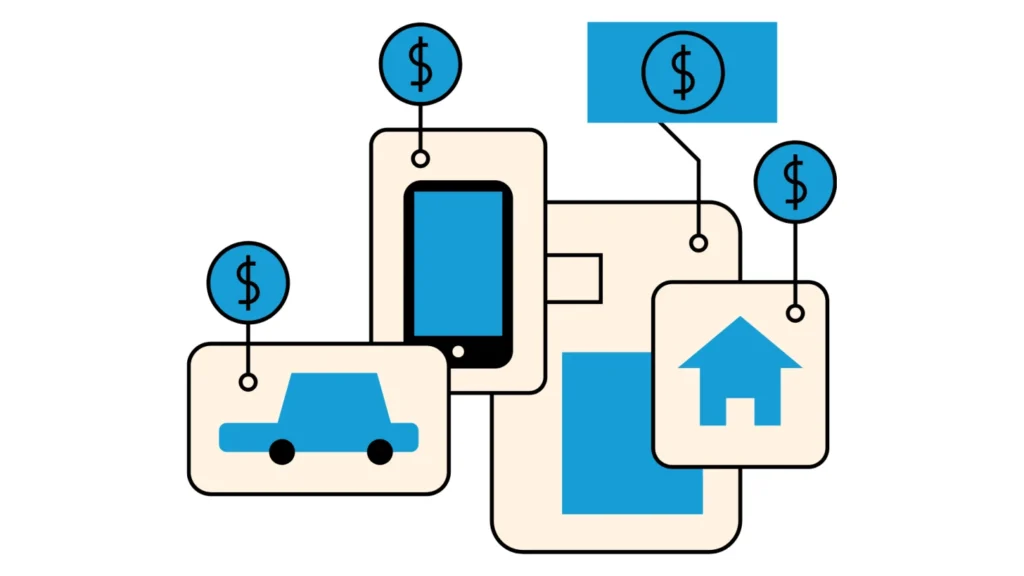
- Some well‑known examples include:
- project management platforms
- CRM systems
- productivity tools
- collaboration platforms
What these products have in common is that they solve a specific problem for a defined group of users.
The most successful products are not necessarily the most complex. They are the ones who solve real problems effectively and consistently.
Step 1: Start With a Clear Problem, Not Just an Idea
One of the biggest mistakes founders make is starting with a solution instead of a problem.
For example, someone might say: “I want to build an AI platform.”
But the real question should be:
What problem will the platform solve?
Successful digital products always start with a clearly defined problem.
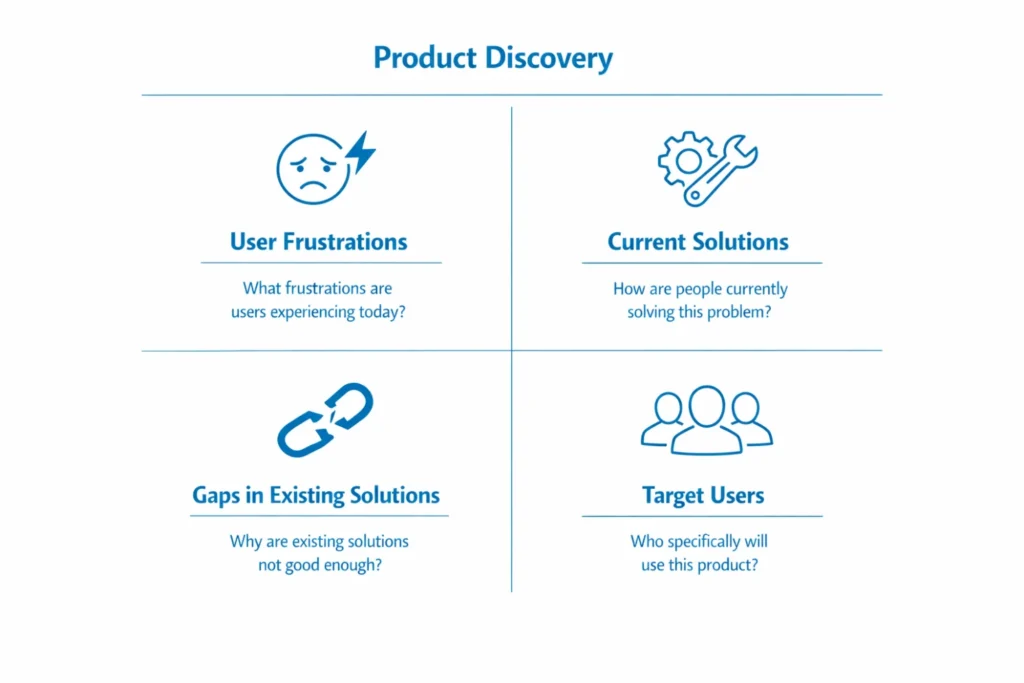
Ask yourself questions like:
- What frustrations are users experiencing today?
- How are people currently solving this problem?
- Why are existing solutions not good enough?
- Who specifically will use this product?
When founders deeply understand the problem they are solving, everything else—features, design, and technology—becomes much clearer.
Step 2: Validate the Idea Before Building
After identifying a strong problem, the next step is to validate the idea.
Many startups fail because they invest months building something that no one actually needs.
Validation helps reduce that risk.
There are several ways to validate a startup idea:
Talk to Potential Users
Speak directly with people who might use the product.
Ask questions like:
- Would this solution help you?
- How do you currently solve this problem?
- What features would matter most?
- User conversations often reveal insights that founders never considered.
Research the Market
Look for existing competitors.
Competition is not necessarily bad—it often indicates there is demand.
Analyze:
- competitor products
- pricing models
- user reviews
- feature gaps
Understanding the market helps position your product better.
Create a Simple Concept
Instead of building a full product immediately, create something simple:
- a landing page
- a clickable prototype
- a demo video
This helps test interest before investing in development.
Step 3: Define the MVP (Minimum Viable Product)
Once the idea is validated, the next step is defining the MVP.
MVP stands for Minimum Viable Product.
It means building the simplest version of your product that delivers value to users.
This concept is critical for startups because it allows them to:
- launch faster
- reduce development costs
- gather real user feedback
- iterate quickly
Example of MVP Thinking
Imagine building a marketplace platform.
A full marketplace might include:
- payments
- ratings
- reviews
- messaging
- analytics
- notifications
- recommendations
But an MVP might only include:
- user registration
- listing creation
- simple messaging
- basic admin dashboard
This is enough to test whether people actually want the service.
Many of today’s biggest tech companies started with very simple MVPs.
Step 4: Design the Product Experience
Before development begins, founders should invest time in product design and user experience.
User experience (UX) is one of the most important factors in product success. Even technically powerful platforms fail if they are confusing or difficult to use.
Design should focus on:
- simplicity
- intuitive navigation
- fast performance
- mobile responsiveness
Key Design Elements
Important design steps include:
- user journey mapping
- interface wireframes
- interactive prototypes
- usability testing
These help teams visualize the product before development begins.
Step 5: Choose the Right Technology Stack
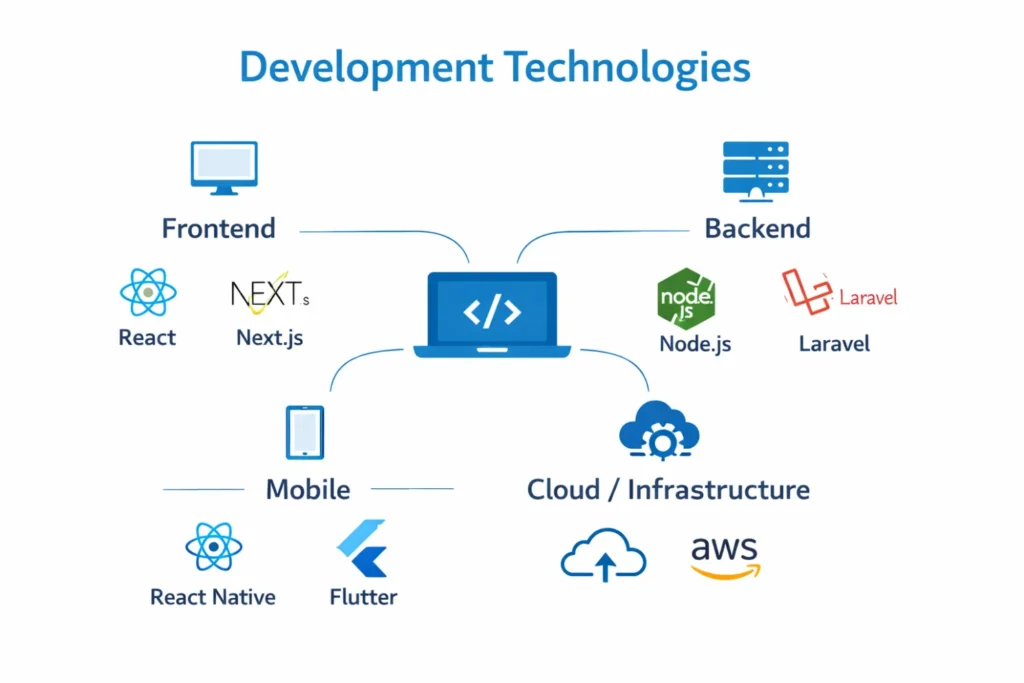
Early technology decisions can significantly impact a product’s long‑term success. Modern digital platforms typically use scalable technology stacks.
Common examples include:
Frontend technologies:
- React
- Next.js
- Vue.js
Backend technologies:
- Node.js
- Laravel
- Django
Mobile technologies:
- React Native
- Flutter
- Swift / Kotlin
Choosing the right stack helps ensure the product can scale efficiently as users grow.
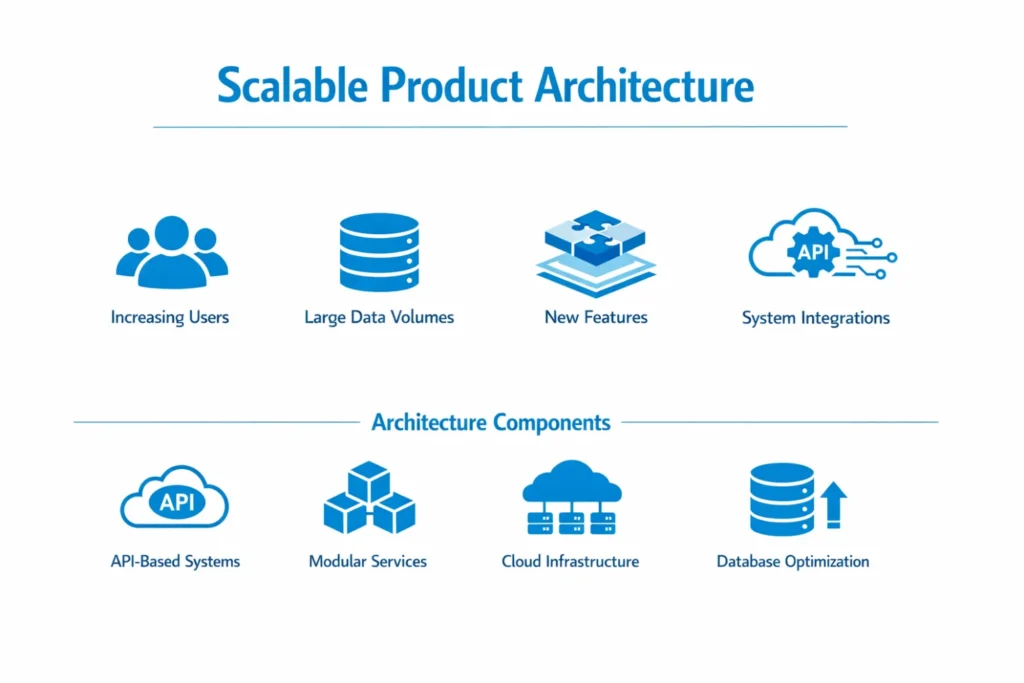
Step 6: Build a Scalable Product Architecture
As startups grow, their platforms must handle:
- increasing users
- larger data volumes
- new features
- integrations with other systems
This is why scalable architecture is essential.
Important architectural components include:
- API‑based systems
- modular backend services
- cloud infrastructure
- database optimization
Planning architecture early prevents expensive rebuilds later.
Step 7: Development and Iteration
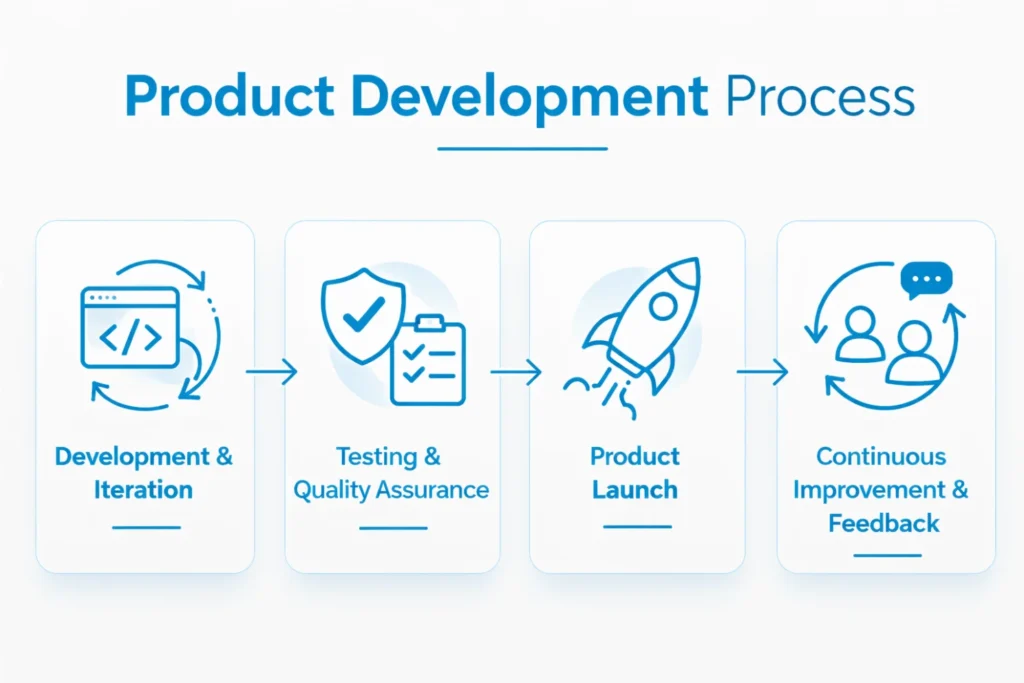
Once planning and design are complete, development begins.
A structured development process usually includes:
- requirement planning
- design implementation
- frontend development
- backend development
- testing and debugging
- deployment
Development should be iterative, meaning features are built and tested step by step.
Agile methodologies are commonly used for this purpose.
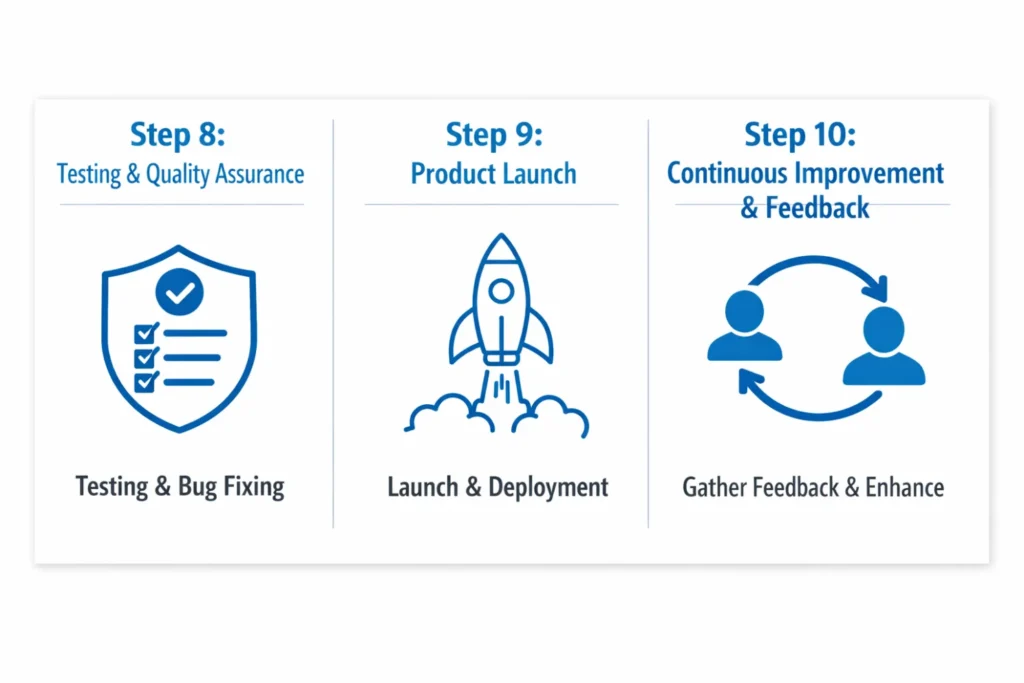
Step 8: Testing and Quality Assurance
Before launching a digital product, thorough testing is essential.
Testing helps identify:
- bugs
- security issues
- performance problems
- usability challenges
Types of testing include:
- functional testing
- performance testing
- security testing
- user acceptance testing
Products that launch with major issues often struggle to gain user trust.
Step 9: Launch the Product
Launching the product is an exciting milestone.
But it’s important to remember:
Launching is just the beginning.
A successful launch strategy might include:
- beta testing with early users
- collecting feedback
- improving performance
- monitoring system stability
Many startups launch with a limited user group first before expanding publicly.
Step 10: Improve Based on Real User Feedback
Once real users start using the platform, founders gain valuable insights. User behavior often reveals:
- Which features are most important
- Where users get confused
- Which improvements are needed
This feedback should guide future development. The best digital products continuously evolve.
The Role of Product Thinking in Startup Success
Building a digital product is not only about writing code.
It requires product thinking.
This means constantly asking:
- Is this feature solving a real problem?
- Will this improve the user experience?
- Does this align with the product vision?
Founders who adopt a product mindset are more likely to build sustainable platforms.
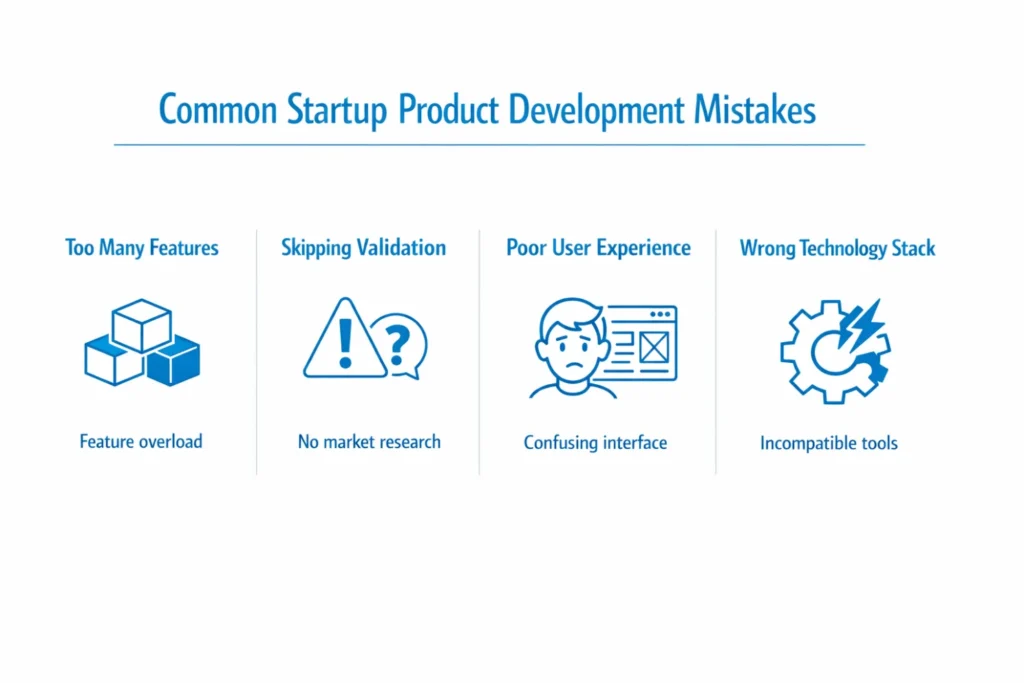
Common Mistakes Startup Founders Should Avoid
From experience, several mistakes appear repeatedly in startup development.
Building Too Many Features
Trying to launch with too many features slows development and increases costs. Focus on the core value first.
Ignoring User Experience
Products with poor usability struggle to retain users. Design matters as much as functionality.
Choosing the Wrong Technology
Technology decisions should consider long‑term scalability. Short‑term solutions can create long‑term problems.
Skipping Validation
Building a product without validating demand increases failure risk. Always validate ideas first.
Final Thoughts
Turning a startup idea into a real digital product is a journey.
It requires:
- clear problem definition
- careful planning
- strong design
- scalable technology
- continuous improvement
When founders approach product development strategically, they dramatically increase their chances of building something meaningful and successful.
Great digital products are not built overnight. They evolve through learning, experimentation, and collaboration.
Let’s Connect
If you’re planning to build:
- SaaS platform
- Web application
- Mobile app
- Marketplace platform
- A custom business system
I always enjoy discussing new startup ideas and helping founders turn their concepts into real digital products.
Feel free to connect and share what you’re building.